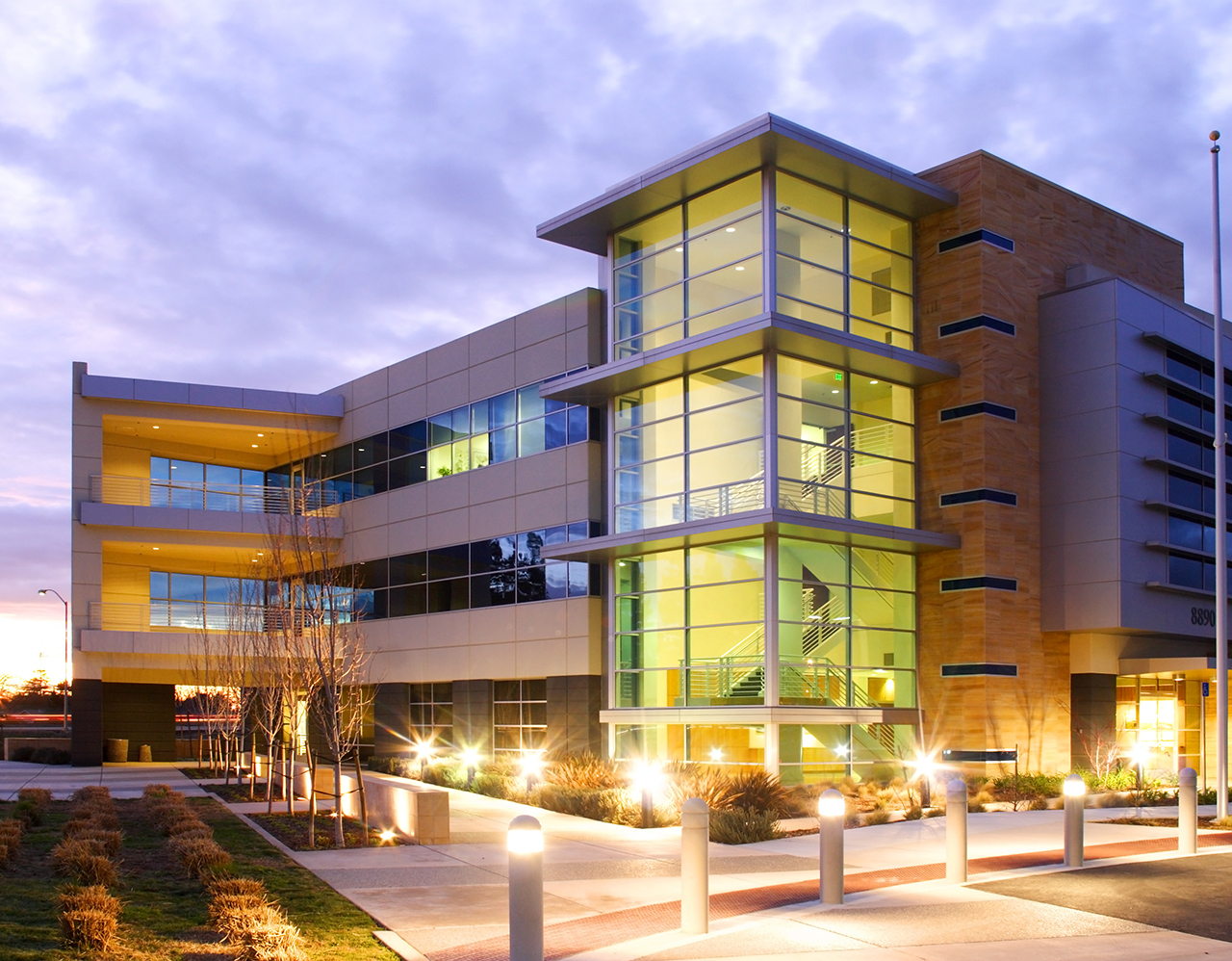
For numerous years, Germiston has played a pivotal role in South Africa’s industrial sector, offering top-notch infrastructure and properties conducive to the success and growth of businesses. Its strategically advantageous location near major national roads such as the N12, N17, and N3 positions it as a highly convenient city for manufacturing and logistics companies. These businesses benefit from the proximity to key freeways, facilitating the efficient transport of goods and services throughout the country. Moreover, Germiston’s close proximity, being just under 30 minutes away from the airport, allows for easy access to cargo terminals, enabling seamless transportation of goods both nationally and internationally.
Additionally, upmarket industrial areas like Gosforth Park and Meadowdale contribute significantly to Germiston’s allure. These areas boast fantastic industrial properties available for businesses seeking premium facilities. The inclusion of such upmarket locations further enhances the city’s appeal, offering diverse options for businesses looking to establish or expand their operations.
The industrial market in Germiston is poised for significant growth with the implementation of the Urban Renewal plan and the Aerotropolis programme. These initiatives are expected to attract heightened investment, expanding the market and introducing new property offerings. Anticipated outcomes include the relocation or expansion of new businesses into Germiston, fostering a diversified landscape through mixed-use developments. In such developments, industrial properties will coexist with various other property types, contributing to the city’s evolution and enhanced economic prospects.
The Aerotropolis plan in Johannesburg is likely to impact property prices for industrial areas in several ways and is expected to be at completion within 30 years starting from 2018:
- Proximity Advantage:
Industrial areas near the Aerotropolis hub may see increased demand and higher property prices due to businesses seeking convenient access to the airport.
- Infrastructure Boost:
Improved infrastructure in line with the Aerotropolis plan could enhance the appeal of certain industrial areas, potentially leading to increased property values.
- Economic Growth:
The plan’s focus on economic growth may drive demand for industrial spaces, influencing property prices positively.
- Logistics Hub Effect
Industrial areas serving as key logistics hubs within or connected to the Aerotropolis may experience higher demand and property price appreciation.
- Zoning Changes:
Changes in zoning and land use policies may impact the utility of industrial properties, influencing property prices accordingly.
- Investor Interest:
Increased investor interest drawn by the Aerotropolis plan may contribute to rising property prices in strategically located industrial areas.
- Government Incentives:
Municipal incentives aligned with the Aerotropolis goals could boost demand and property prices in supported industrial areas.
- Competition Dynamics:
Competition among industrial areas within the Aerotropolis region may lead to varying property prices based on factors like infrastructure and amenities.
- Market Perception:
Positive perceptions of the Aerotropolis development may increase the attractiveness of nearby industrial areas, impacting property prices.
Monitoring the specifics of the plan, its implementation, and local economic conditions will provide a clearer understanding of how industrial property prices may evolve in response to the Aerotropolis initiative.
Further to this in relation to Interest inflation, according to John Loos South African Economist the recent trends in consumer inflation in South Africa reveal a fluctuating pattern. After experiencing a mild rebound to 5.9% year-on-year in October 2023, inflation moderated again to 5.5% in November. Notably, this is within the 3-6% target range set by the South African Reserve Bank (SARB) and significantly below the peak of 7.8% observed in mid-2022.
Despite the slowdown, it’s worth noting that inflation remains close to the upper limit of the SARB’s target range. In light of this, analysts like Loos express caution, suggesting that an immediate interest rate cut might not be on the horizon.
Loos emphasizes the expectation for average Consumer Price Index (CPI) inflation to decelerate from 5.9% in 2023 to 5.2% in 2024. This projection, according to Loos, could prompt a series of interest rate cuts totaling 75 basis points throughout the year. The anticipated decline could lead to a reduction in the prime rate, dropping from 11.75% to 11% by the end of the year.
The decision-making process regarding interest rates is likely to be influenced by the ongoing economic conditions, global and domestic factors, and the SARB’s commitment to maintaining price stability. The potential interest rate cuts signal an attempt to stimulate economic activity and manage inflationary pressures, providing a nuanced outlook for the country’s monetary policy in the coming months.
According to semi-annual data from MSCI, the All Property Vacancy Rate saw a decrease from 9.5% in the first half of 2021 to 7.2% in the first half of 2023. This decline was attributed to reduced vacancy levels across all three major commercial property sectors, including the challenged office market.
Loos noted that vacancy rates often exhibit a delayed response to economic changes. In this instance, the All Property Vacancy Rate reached its peak in the first half of 2021, a year following the implementation of strict lockdowns. Drawing a parallel to the 2009 Global Financial Crisis (GFC), the increase in vacancy rates only reached its highest point around 2011, emphasizing the lag effect.Predicting a prolonged “correction” in real commercial property values, Loos anticipated this trend to persist into 2024.
One of the significant themes for 2024 is expected to revolve around the reliability of municipal and utilities services. There is a growing concern as municipal rates and utilities tariffs are on the rise at rates exceeding general inflation.
According to semi-annual data from MSCI, the All Property Vacancy Rate witnessed a decline from 9.5% in the first half of 2021 to 7.2% in the first half of 2023. This reduction was attributed to diminished vacancy levels across all three major commercial property sectors, including the challenged office market.
Oriprops is committed to delivering the most current and well-informed information to enhance understanding in this dynamic real estate landscape.
Reference – IOL Mild improvement in commercial property expected this year (iol.co.za) – 16 January 2024
Reference – Ekurhuleni.gov.za – Ekurhuleni Aerotropolis
Sincerely
Your area specialist
Devon Kidd
Candidate Property Practitioner
072 687 6527
Email: devon@oriprops.co.za